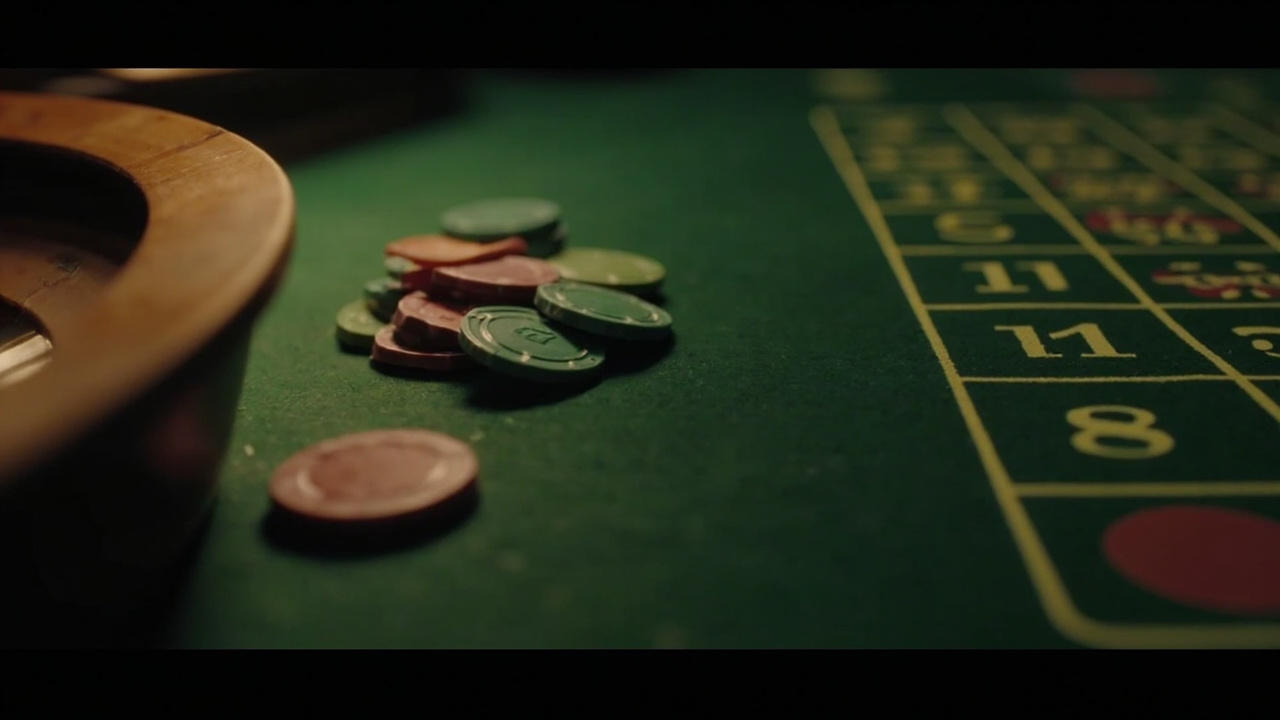
Live Dealer Holdem Hand: What the Stream Actually Shows You

The first thing I noticed on the Gold Coast stream was how much in our ecosystem slower a live dealer holdem hand moves than a digital round. Cards turn, the dealer speaks, and the timing feels deliberate rather than instant. That pacing matters for anyone used to quick mobile sessions, because the rhythm changes how you read the table. I’ve spent years coordinating remote hiring across time zones, and the same discipline applies here: watch the pattern before you commit.
That pacing gives you a moment to watch the action unfold without feeling rushed by the software. You can find more details about these live formats at https://luckydreamaustralia.com/. It is a different rhythm to what many players are used to online.
What the Stream Actually Shows You
A live dealer holdem hand is never just about the cards on the felt. You are watching a dealer manage pace, chip movement, and the small pauses that separate one decision from the next. The camera angles usually cover the shoe, the discard tray, and the betting circle, so you can track what happened before you joined. That visibility is useful, but it also means you are responsible for reading the table yourself. In recruitment workflows, I’ve seen how a clear process beats a fast one when people are making decisions under pressure, and the same logic holds on a streamed table. The dealer doesn’t coach you, so the hand’s pace is the real signal.
The World Series of Poker draws thousands of entrants to Las Vegas each year, and that kind of live pressure is part of why streamed tables feel different from a solitary screen. You can see the rhythm of a live dealer holdem hand build, hand after hand, and that repetition is where most players either settle in or start chasing. The stream gives you enough to follow the action, but it doesn’t replace the discipline of waiting for a spot that actually suits your cards. If you want a stronger read on starting strength, the piece on pocket aces explains why some hands carry more weight before the flop even arrives.
Trust, Verification, and Account Controls
Trust on a streamed table starts long before the first card is dealt, and that is where the finer details matter. Casino ID checks can be triggered at entry, at the cage, or on large payouts, which is a sensible layer even if it slows things down briefly. I’ve coordinated compliance checks for remote teams before, and the pattern is familiar: the friction is there to protect the account, not to frustrate it. Payments in Australian dollars keep the numbers readable, and a clear registration flow should tell you what documents are likely to be requested before you deposit. Support should be reachable when a hand stalls or a balance looks wrong, because a quiet table is only useful if you can actually ask a question. As Grace Gibson, Compliance Director, Red Centre Analytics, put it, the safest setups are the ones that explain their checks in plain language before you need them.
Mobile and Loyalty Without the Noise
Playing a live dealer holdem hand on a phone works best when the stream stays stable and the betting controls stay where your thumb can reach them. On the Gold Coast, I’ve watched people join a table during an arvo break and stay for a few quiet hands, which is exactly the kind of session that suits a well-built mobile view. Loyalty points should accumulate without forcing you to chase them, and bonus mechanics ought to be plain about what triggers them and what limits apply. The point is not to dress up every round with extra noise; it’s to keep the experience steady enough that you can focus on the hand itself. When the interface is tidy and the rules are visible, the stream becomes a place you can return to rather than a flashy stop.
Playing With Limits in Mind
A live dealer holdem hand can feel social and steady, but that same steadiness can lull you into staying longer than you planned. A “chip runner” ferries chips between the cage and tables in a real venue, and that physical movement is part of why live play has a different tempo from a screen-only round. The streamed version keeps some of that feel, but the limits still belong to you. Lucas Williams, Responsible Gambling Adviser, Southern Cross Gaming Advisory, has cautioned that streamed tables can blur the line between entertainment and extended play, so setting a time or stake limit before you join is the kind of discipline that actually holds up. No one should treat a slow-paced table as a reason to keep pushing, because the cards don’t care how patient you are being.
There’s no trick to making a live dealer holdem hand work better than it already does. The stream gives you a clear view, the table keeps a steady pace, and the account side should be plain about checks, support, and limits. For Australian players, the sensible approach is to treat it as a measured session with visible rules rather than a rush to the next round. If the table is clear, the pace suits you, and the controls are where you expect them, you can settle in and read the hand properly.